What August trade data reveals about export markets
Since the recent China safeguard tariff on Australian beef exports came into effect, with the Korean safeguard following soon after, industry attention has focused on redirection options for displaced tonnage.
Before examining where this beef was redirected, and what redirection would mean for export flows through the rest of the year, it is worth noting the quota levels underpinning both measures.
China's quota stood at 205,000 tonnes, while Korea's increased from 196,050 tonnes in 2025 to 196,206 tonnes in 2026
Quota figures are based on import data, not export data, which typically lags.
August trade data provided an initial indication of this redirection as excess volumes flowed predominantly into North America, Korea and Japan.
Southeast Asian markets, despite earlier expectations of increased uptake, remained broadly stable and tracked marginally below 2025 data volumes.
Shipments to China eased as expected following the introduction of the safeguard. However, it remains too early to assess the safeguard’s full impact.
Record exports earlier in the year have complicated year-on-year comparisons – meaning the regional effects of the tariff are unlikely to become clear until full-year data figures are available.
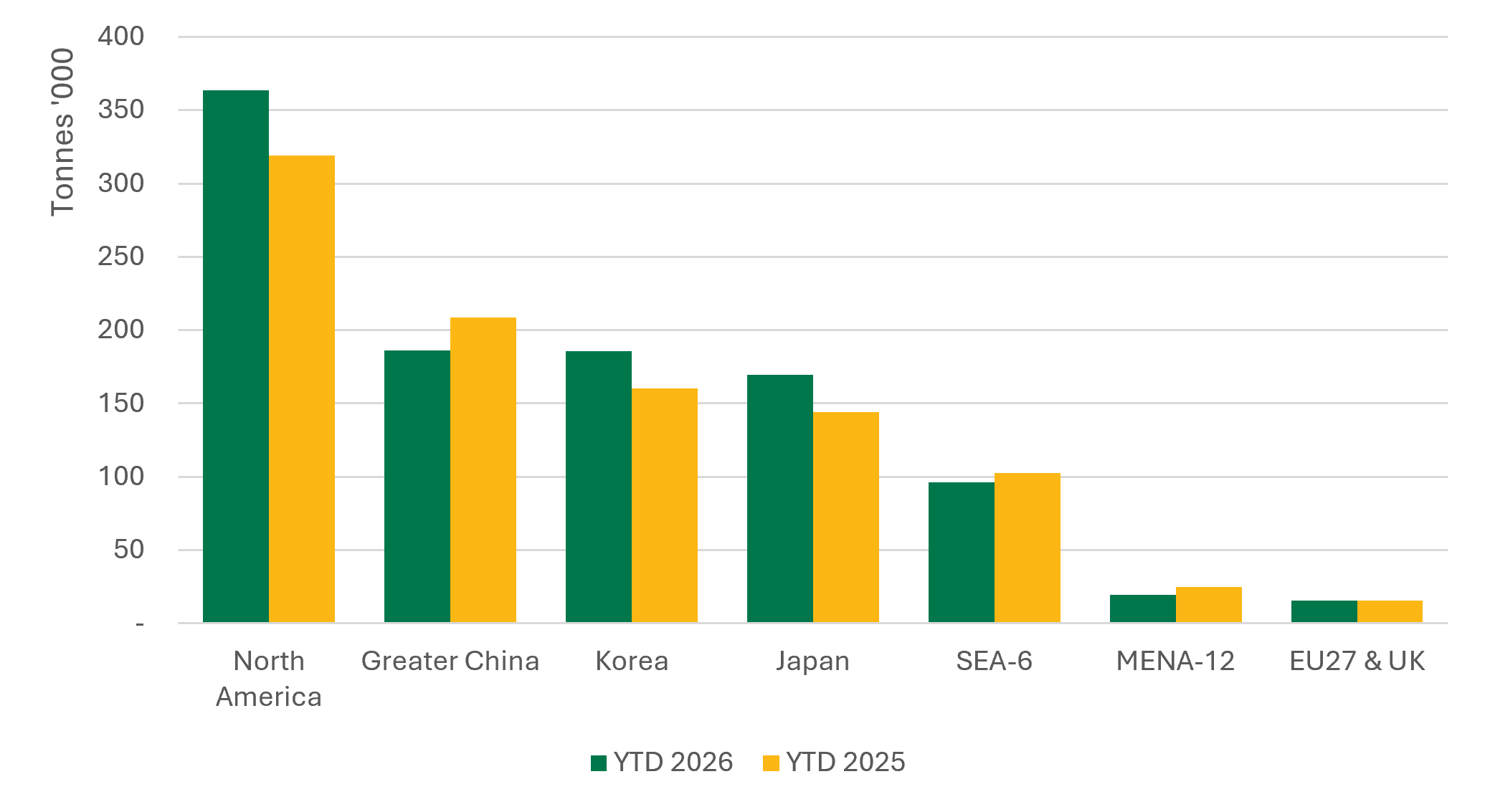
Figure 1: Year to date Exports: 2025 vs 2026
Japan has been the standout market this year with year-to-date tonnage up 18% from 2025.
Korea tracked well above last year's figures up 16% year-to-date. Korea's 2026 safeguard was triggered in mid-July well ahead of the date triggered in 2025.
This suggested that exporters brought forward shipments in anticipation of the tariff.
Figure 2 sets out the year-to-date percentage change for each key region, comparing 2025 and 2026.
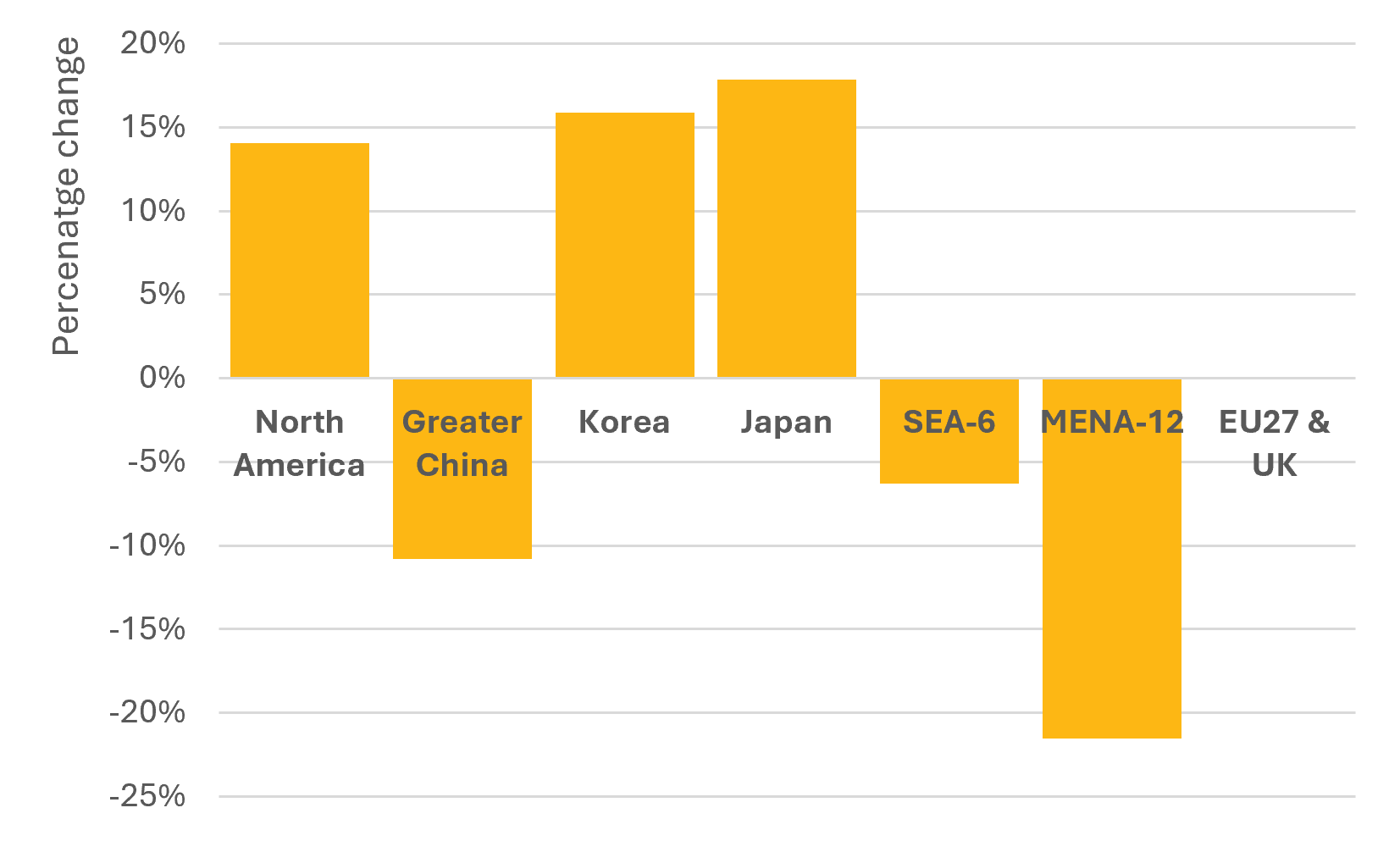
Figure 2: Year to date 2026 exports vs Year to date 2025 exports: Percentage Change
Total exported tonnage for August 2026 came in at 122,520 tonnes down 9% on August 2025.
Volumes to Greater China and Korea continued to decline.
Shipments to China totalled 9,761 tonnes, down 56% year-on-year, while exports to Korea reached 17,122 tonnes, down 20% on the previous year.
Lower US exports have helped support market demand and the continued movement of product into these key destinations.
A broad range of cuts, including chuck, brisket and rib were shipped to China and Korea throughout August. This points to sustained demand across the wider Australian beef product mix.
Slaughter numbers also tracked slightly below 2025 levels with August reports averaging a 2% year-on-year decline. July reports tracked even lower on trend with recent export volumes.
The trend cannot be strongly correlated with the 9% export decline, raising the question of whether exporters may be turning to freezer storage in the short term.
Exporters have indicated shipments are likely to increase toward year-end, ahead of quota resets on 1 January 2027.
With the global trading environment remaining highly dynamic exports for the remainder of the year will need to be closely monitored.