Carbon EDGE training
Join a two-day workshop covering carbon accounting, emissions intensity, carbon storage and practical management strategies. Develop a tailored carbon action plan.

Sustainability means producing livestock products in an ethical, socially, environmentally and economically responsible way. It also means protecting the natural resources that production depends on. This includes caring for animals, people and communities, as well as soil, water, vegetation, biodiversity and air quality.
When businesses get this balance right, they not only improve their financial stability but drive wider industry progress across pasture and land management, animal wellbeing and productivity, climate resilience and market access.
MLA’s environmental sustainability investments focus on practical opportunities to improve productivity and profitability through better environmental management.
Reducing emissions and improving productivity can go hand in hand. Efficient livestock growth, reproductive performance, feed quality, pasture management and herd management can reduce emissions intensity by producing more beef or lamb from the resources used.
Producers can also consider opportunities to store carbon in soils and vegetation. Understanding a business’s emissions profile is an important first step in identifying practical actions suited to its production system.
Healthy soils, vegetation, waterways and ecosystems provide the natural foundation for productive grazing businesses. Managing these assets can support pasture condition, livestock production, water quality, ground cover and resilience during dry periods.
Producers can improve biodiversity through actions such as managing grazing pressure, protecting remnant vegetation, maintaining ground cover and restoring degraded areas. Measuring these outcomes can also help demonstrate responsible land management and prepare for emerging market opportunities.
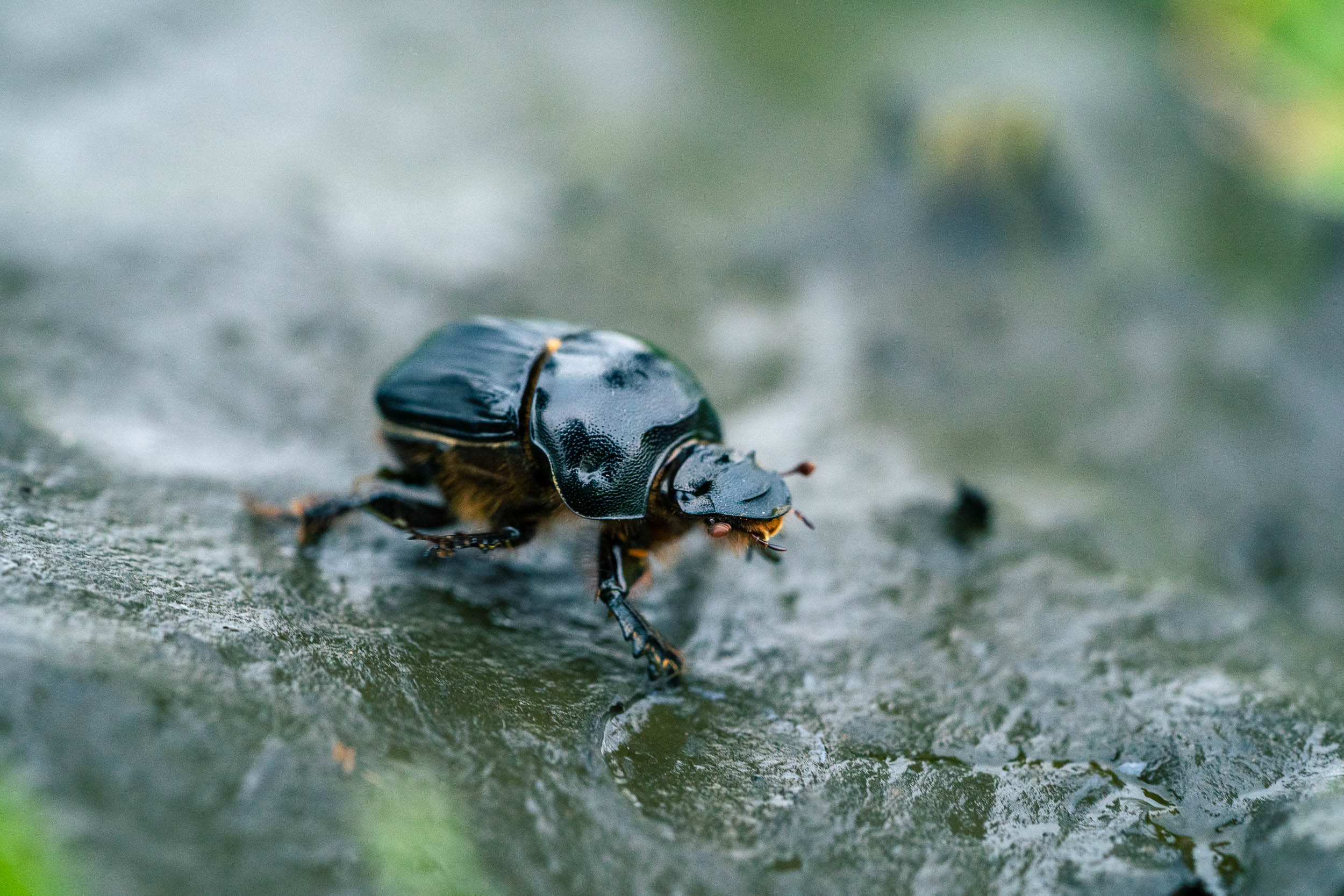
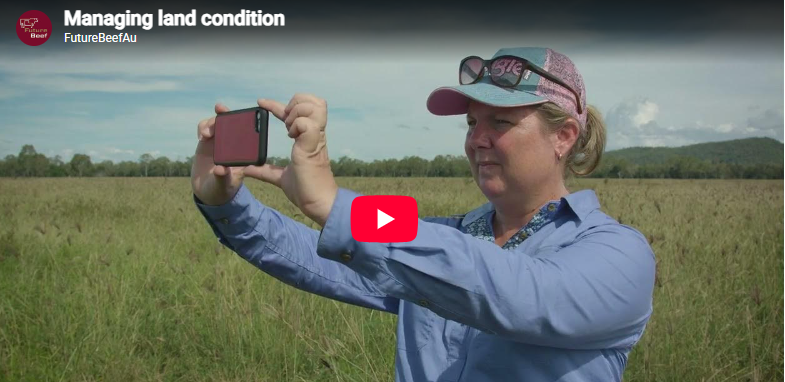
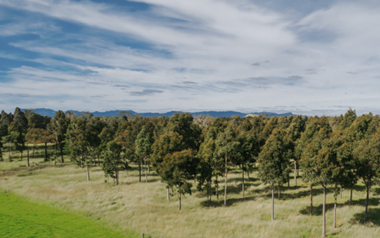
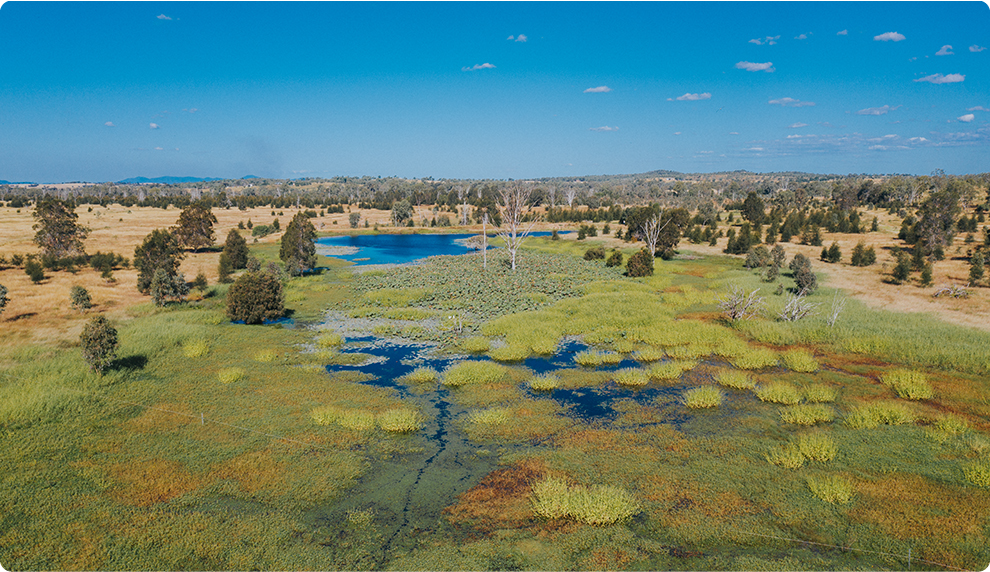
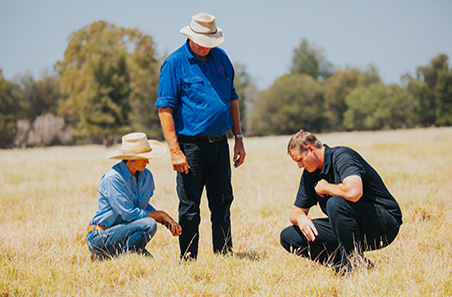
Measuring the condition of the natural environment on-farm helps producers understand current performance, track changes and make informed management decisions. Information about ground cover, vegetation, soils, water, and other environmental indicators can provide a clearer picture of conditions across a property.
Environmental credentials can help producers communicate verified outcomes to customers, supply chain partners and financial institutions, increasing access to new/improved income streams. Producers remain in control of how business data is used and who can access it.
Climate, weather and water variability can affect pasture growth, livestock performance, business costs and profitability. Planning for drought, extreme weather and changing seasonal conditions can help producers make earlier decisions and reduce production losses.
Practical actions may include improving water security, maintaining ground cover, adjusting stocking rates and using forecasts to support operational decisions. Building resilience is about preparing the business and production system for a range of future conditions.
Environmental sustainability supports productive and profitable livestock businesses. Practical improvements in efficiency, land condition and business resilience can deliver environmental benefits while strengthening long-term performance.
You do not need to address every area at once. Start with the topic most relevant to your business, establish your current position and identify practical actions that support your production goals.
Join a two-day workshop covering carbon accounting, emissions intensity, carbon storage and practical management strategies. Develop a tailored carbon action plan.
Estimate enterprise greenhouse gas emissions and emissions intensity across beef, sheep, goat, wool and grain production. Use the results to establish a baseline and identify significant emissions sources.
Access self-paced courses, lessons, tools and calculators to build practical skills in livestock production, business planning and sustainable farm management.
Access property-level information and resources to better understand, compile and collate environmental sustainability data and engage in learning to build confidence.
MLA’s sustainability producer-led videos capture the innovation, tools and practice change our livestock producers and the value chain are applying to their businesses to improve their profitability and sustainability.
The long form videos capture the practical ways producers and the value chain are refocussing their organisations around animal husbandry and welfare, natural capital and biodiversity and carbon neutrality to support their businesses and climate resilience.
The short form videos share with our consumers and the community the stories of sustainability and provenance of Australian red meat and how our producers are caring for their animals, their land and the environment and are part of the climate solution.
Interactive map - Australian livestock stakeholder sustainability case studies
Click on the icons in the map below to watch our videos about the tools, technology and practices our innovative producers, processors and supply chains are using to meet sustainability commitments and market opportunities.
There are currently no environmental sustainability related events planned – please check back again soon.
Sustainability is production in a manner that is socially, environmentally, and economically responsible. We do this through the care of natural resources, people and the community, the health and welfare of animals, and the drive for continuous improvement.
Net zero emissions is achieved when there is ‘net’ release of greenhouse gas emissions into the atmosphere. This occurs when emissions produced by a business, supply chain or industry are balanced by emissions reductions or removals from the atmosphere.
Natural capital refers to the natural assets that support a livestock business, including soil, water, vegetation, biodiversity and ecosystems. These assets contribute to pasture production, livestock performance, water quality and the ability of the landscape to recover from seasonal pressures.
Managing natural capital can strengthen long-term productivity and business resilience. Producers can support these assets by maintaining ground cover, managing grazing pressure, protecting waterways and retaining or restoring native vegetation.
Biodiversity is the variety of plants, animals and other living organisms within an area, together with the ecosystems they form. On a livestock property, biodiversity may include native vegetation, pasture species, soil organisms, insects, birds and other wildlife.
Healthy biodiversity can contribute to soil function, water quality, pollination, pest insect management, and landscape resilience. Producers can support biodiversity through grazing management, maintaining ground cover, protecting habitat and restoring degraded areas.
The Environmental Credentials platform is a voluntary, low-to-no-cost online platform that helps grassfed beef producers understand and demonstrate environmental performance. It covers biodiversity, ground cover, tree cover, carbon balance and drought resilience.
The platform combines satellite imagery, self-guided learning and self-assessment checklists. Producers can generate reports to share with selected processors, retailers, banks or government organisations, while retaining control over their data.
MLA is developing the next version of the platform to better support producer needs. To discuss the platform or contribute to its future development, contact sustainability@mla.com.au
Every year the Australian red meat and livestock industry reports on its sustainability credentials through the Australian Beef Sustainability Framework and the Sheep Sustainability Framework.

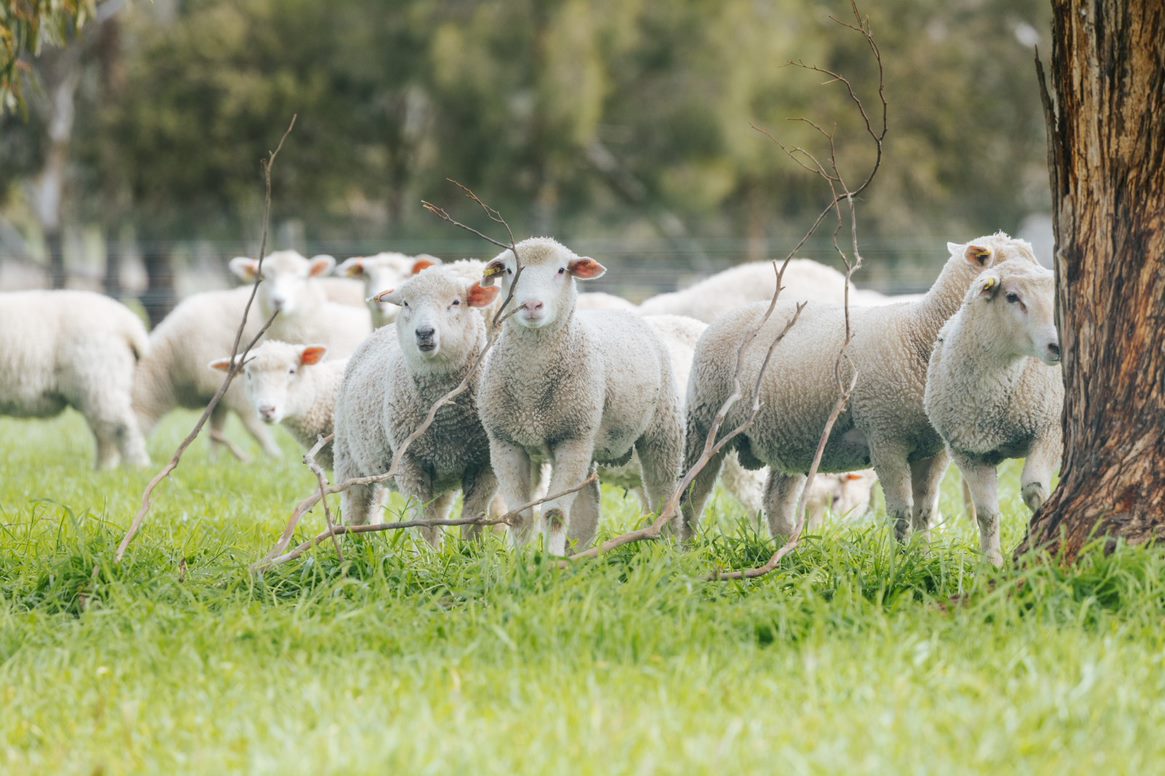
Find evidence-based facts about Australian red meat production, including emissions, biodiversity, land use, animal welfare, nutrition and the industry’s economic contribution.
Access downloadable infographics, animations, videos and producer stories about environmental sustainability, animal wellbeing and Australian red meat production.
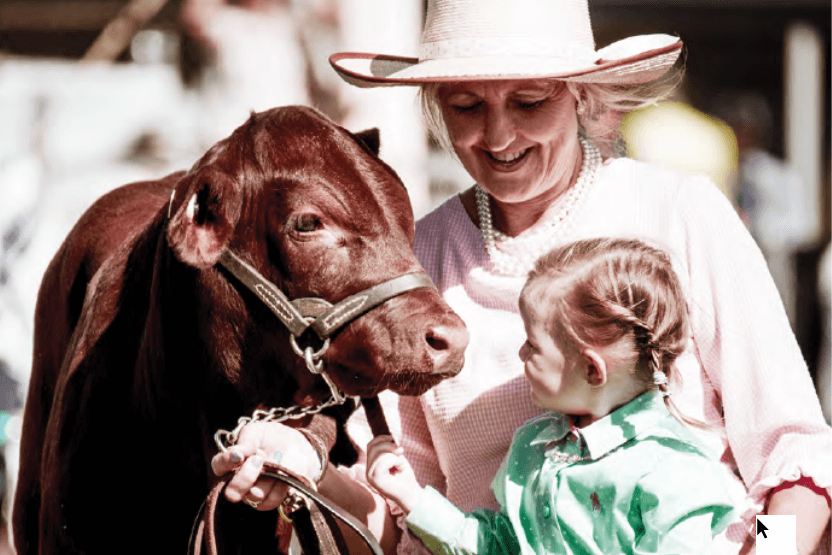
Read producer stories, research updates and practical information about MLA-funded programs, technologies and opportunities across the red meat industry.
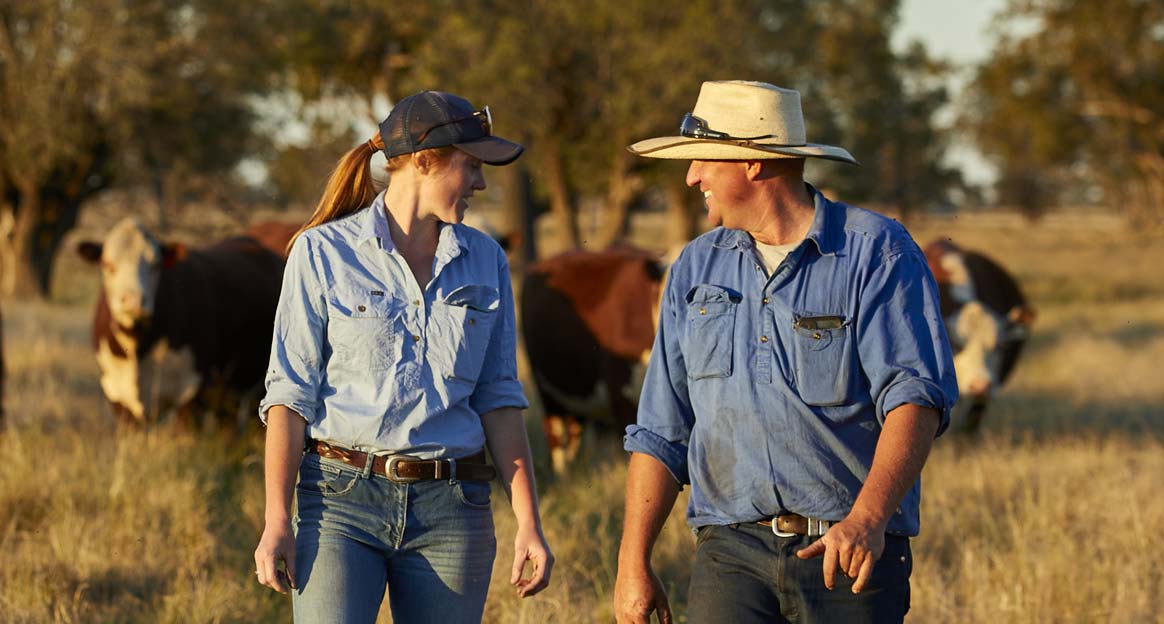
Build the confidence and skills to communicate about red meat production and engage constructively with customers, communities and industry stakeholders.

Prepare your property and livestock for bushfire, understand what to do when a fire is approaching and access practical recovery guidance.