Feedlot RAAD Program prepares for next animal productivity funding round
Australian lot feeders will soon have another opportunity to test and evaluate emerging technologies, management practices and production systems under commercial feedlot conditions through the Feedlot Research for Accelerated Adoption (RAAD) Program.
The Feedlot RAAD Program is a $45 million, five-year MLA initiative established to accelerate the adoption of innovation by generating practical evidence in operating feedlots and help bridge the gap between research and commercial implementation.
MLA Program Manager – Feedlot Dr Tony Batterham said RAAD was designed to support lot feeders to trial, evaluate and demonstrate innovations within their own operations to generate practical, commercially relevant data that other lot feeders could have confidence in.
“The key driver behind RAAD was recognising that lot feeders often need commercially relevant evidence before investing in new technologies and management practices,” he said.
“RAAD helps generate that evidence under real feedlot conditions, giving businesses greater confidence to adopt innovations that improve productivity, sustainability and animal wellbeing outcomes.”
The RAAD Program focuses on demonstrating technologies, production systems and management practices at a commercial scale.
By testing innovations in real-world feedlot environments, the program aims to provide lot feeders with the confidence and evidence needed to support adoption decisions.
“The ultimate goal is to give industry the information it needs to make informed investment decisions and improve productivity, wellbeing, sustainability and profitability outcomes,” Tony said.
Building momentum
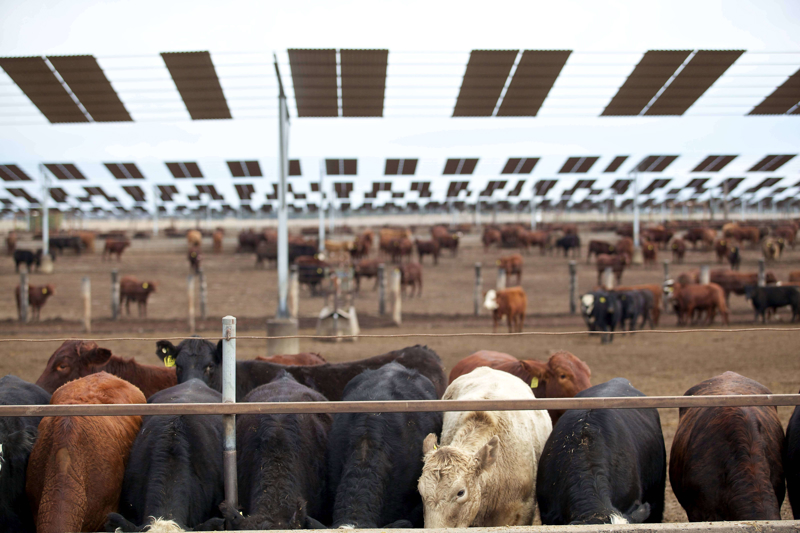
The program's inaugural funding round focused on shade and shelter, and has multiple projects now approved and progressing across the industry with additional projects being developed.
These projects are helping build knowledge on the impacts of shade and shelter investments on cattle and carcase performance, animal wellbeing and feedlot operations.
The first funding round demonstrated the industry's willingness to work collaboratively to evaluate emerging practices and generate outcomes that benefit the broader feedlot sector.
MLA Project Manager – Feedlot Liz Pearson said the program received a diverse range of proposals from feedlots across different regions, business sizes and production systems, which reinforced that lot feeders are actively looking for opportunities to evaluate innovations within their own feedlot businesses.
“The biggest takeaway from the first funding round has been the level of industry engagement,” Liz said.
“Lot feeders brought forward high-quality ideas and genuine business questions, demonstrating a strong commitment to evaluating shade and shelter and sharing learnings that can benefit the whole industry.”
Animal productivity funding round on the horizon
The latest funding round will focus on animal productivity.
This funding round will provide opportunities for lot feeders to evaluate technologies, management practices and production systems that improve cattle productivity, feeding efficiency, performance and profitability.
Tony said rather than focusing on specific technologies, industry was encouraged to start with a genuine business challenge or opportunity.
“The strongest concepts will be those that address a clearly defined question and deliver outcomes that could benefit not only the participating feedlot, but the broader industry,” he said.
Projects could explore areas such as animal nutrition, feeding strategies, feedmilling, pen management, productivity improvements, precision livestock technologies, animal sensors, data-driven decision-making tools or new approaches that improve animal performance and operational efficiency.
The program is designed to support project ideas that generate practical evidence under commercial feedlot conditions to help ensure results are practical, relevant and readily applicable across the industry.
Projects will be assessed on their ability to address a genuine industry challenge, demonstrate commercial practicality and generate learnings that support wider industry adoption.
Applicants will also need to demonstrate their capability to deliver a robust project through a skilled project team and a willingness to share outcomes with the broader feedlot sector.
Projects will be delivered through a co-investment model with funding contributing to the costs associated with conducting research, collecting data and generating commercially relevant outcomes.
Depending on project scope and complexity, both gold standard and silver standard funding pathways will be available.
Further information on the funding pathways and eligibility requirements is available on the RAAD Program webpage.
|
Assessment criteria When reviewing project proposals, priority will be given to those that clearly demonstrate:
|
Project proposals will be reviewed by an independent panel consisting of independent industry experts, ALFA and MLA.
All submissions will be notified whether their project proposal has been selected to progress to the scoping phase or will not proceed further.
Selected proposals will enter a scoping phase with the intention of progressing to a full project, subject to project feasibility and alignment with Feedlot RAAD Program requirements.
Start the conversation now
Interested lot feeders are encouraged to start discussions with the MLA Feedlot team ahead of the funding round opening.
Early engagement can help determine whether a concept aligns with the program objectives and identify potential opportunities for collaboration.
Liz encouraged interested applicants to focus on a clear and meaningful research question.
“The most competitive applications are not necessarily the most complex,” she said.
“They are the projects that address a genuine industry issue, can be implemented within a commercial operation and have the potential to generate learnings that other lot feeders can benefit from.”
By supporting industry-led projects and commercial-scale demonstrations, the Feedlot RAAD Program aims to accelerate the uptake of proven innovations and ensure research outcomes are translated into practical benefits for feedlot businesses.
“Projects that generate practical, transferable outcomes are at the heart of what RAAD is trying to achieve,” Liz said.