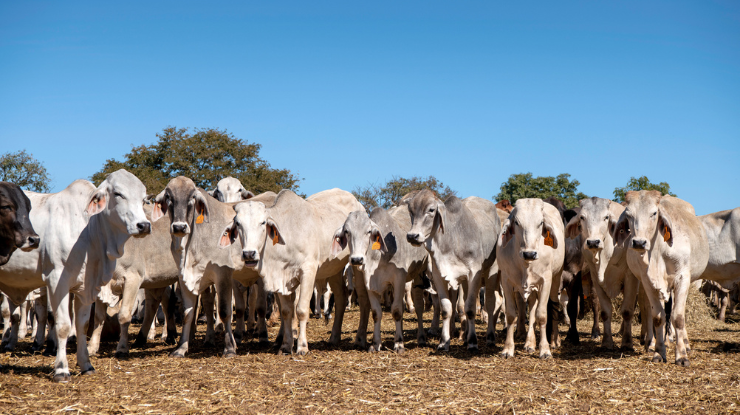
Indonesia partnership underpins northern profitability
From cattle stations in northern Australia to feedlots across Indonesia, the livestock export industry is delivering benefits that reach far beyond trade. It supports food security, creates jobs, improves animal welfare and builds strong partnerships that contribute to international development goals.
A report commissioned by the Livestock Export Program (LEP) – a research, development and extension collaboration between LiveCorp and MLA – highlights how Australian livestock exports align with the United Nations Sustainable Development Goals (UN SDGs).
Indonesia is one of the focus markets in the report, highlighting the importance of the relationships developed through the trade.
The findings show that Australian livestock are not only feeding people but also strengthening communities and deepening relationships with key trading partners such as Indonesia.
Economic development
In Indonesia, the live cattle trade provides jobs and drives growth, generating an estimated A$929 million in wholesale revenue each year.
About 8,500 people are employed to care for Australian cattle, which in turn supports livelihoods across the supply chain from feedlot workers and abattoir staff to smallholder farmers.
For Australian producers, particularly in the NT where the distance from major domestic markets can limit local selling options, Indonesia provides an essential outlet, offering good prices for Australian cattle and rewarding the quality and consistency of northern herds.
Maintaining this trade supports regional economies, enables herd management flexibility and reinforces the profitability and sustainability of pastoral enterprises.
Capacity building
Training and knowledge exchange are central to Australia’s engagement with Indonesia. Since 2021, more than 14,000 people have received training in animal welfare, biosecurity and supply chain efficiency, largely driven and supported by the in-market LEP representatives. Programs such as the Northern Territory Cattlemen’s Association Indonesia–Australia Pastoral Program brought Indonesian students to Australian stations for many years, while Australia Awards Short Courses enhance professional development across the region. These initiatives build capability and trust within the supply chain, ensuring Australian cattle are managed to world-leading standards and maintaining market confidence that directly supports ongoing trade.
Food security and nutrition
Exported Australian-bred cattle contribute more than 83,000t of beef (excluding offal) to Indonesia each year, providing a reliable source of protein for nearly 28 million people. This helps fill nutritional gaps in a country where domestic supply cannot meet demand.
Australia breeds and raises the cattle, while Indonesia finishes them for local consumption. This complementary relationship supports Indonesia’s food security and provides Australian producers with a valuable and consistent export destination. Reliable demand for Australian livestock strengthens herd planning and productivity at home while delivering nutritious, fresh meat to Indonesian consumers.
Animal health and welfare
The introduction of the Exporter Supply Chain Assurance System (ESCAS), which ensures humane handling and slaughter of exported livestock, has provided many opportunities for discussions regarding animal welfare practices in our destination markets. In Indonesia, more than 90 per cent of abattoirs processing Australian cattle now use stunning.
The LEP-supported Forum Animal Welfare Officers (a collaboration between importers, GAPUSPINDO and exporters), has also played a key role in improving welfare standards through extensive training in animal welfare, traceability and slaughter techniques.
When foot-and-mouth disease and lumpy skin disease outbreaks occurred in 2022, Australian support helped vaccinate more than 400,000 animals in Indonesia. Workshops also provided smallholders with practical training in vaccination and biosecurity.
These efforts protect both Indonesian and Australian herds by slowing the spread of disease while maintaining continuity of trade and market confidence.