How Australia is winning hearts (and plates) in Korea and Japan
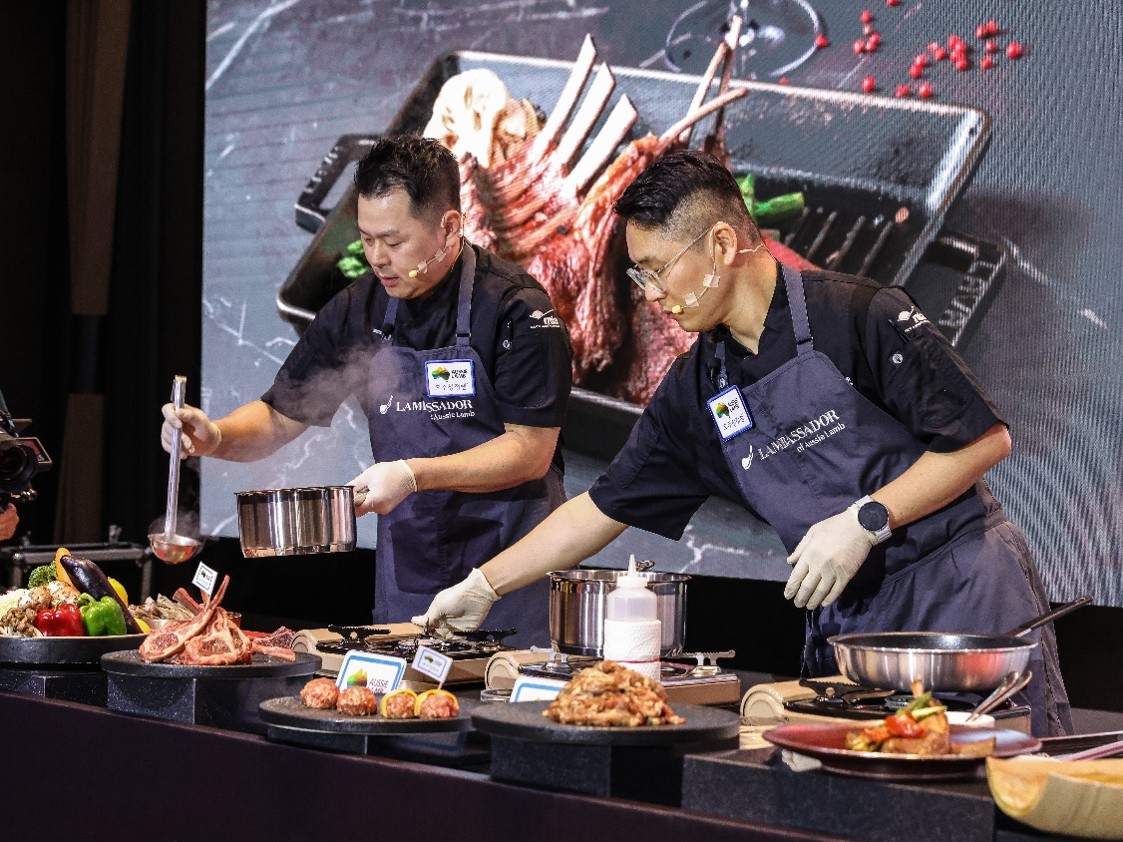
As Meat & Livestock Australia’s (MLA) Regional Manager for Japan and Korea, Travis Brown has a front row seat to two of the most dynamic protein markets in the world.
While each country has its own culinary traditions and consumer behaviours, both are proving fertile ground for Australian beef and lamb – thanks to a mix of smart strategy, cultural insight and a willingness to innovate.
Nutrition, influence and the next generation in Korea
Korea’s obsession with health and wellness is no secret. As Travis puts it, Koreans are “a very health-conscious consumer base,” noting their high spending on health and beauty. This has made the market ripe for a new approach of nutrition‑focused engagement.
Lamb remains a niche category in Korea, but it has grown tenfold over the last twenty years and is becoming increasingly mainstream.
Through the Lambassador program, the MLA team connected with leading nutritionist Minji Kim and launched their first-ever Australian lamb nutrition seminar in Seoul. The response exceeded expectations.
“We had 150 nutritionists from Korea sign up and attend for the day,” Travis said.
“The attendees represented schools, hospitals, and company cafeterias – the people who are making menu decisions that are feeding hundreds, if not thousands, of people a day.”
Out of 150 attendees, 110 had never used lamb before but said they would now introduce it to their menus as a result of the seminar.
Getting lamb into schools and cafeterias means influencing young Koreans early, building familiarity and demand that will shape future consumption patterns.
Creating a new beef tradition in Japan
Across the sea in Japan, the challenge is different. Beef is beloved, but the category is under pressure from economic factors, demographic shifts and competition from cheaper proteins. To counter this, Travis and his team are building a new consumption occasion of beef on Father’s Day.
Inspired by Australia’s iconic summer lamb campaign, the idea is simple – make beef synonymous with Father’s Day.
“We’re trying to associate Father’s Day with a beef-eating occasion. For the region, the holiday is a “white space” with no strong food tradition attached,” Travis said.
The campaign is now in its third year and gaining momentum. More than 3,000 retail stores and numerous foodservice chains are activating the promotion, and even the United States Meat Export Federation has adopted the concept.
The strategy taps into strong consumer sentiment of beef remaining Japan’s favourite protein, especially among men. With diverse formats from sukiyaki to yakiniku to steak, the campaign invites families to celebrate in their own way.
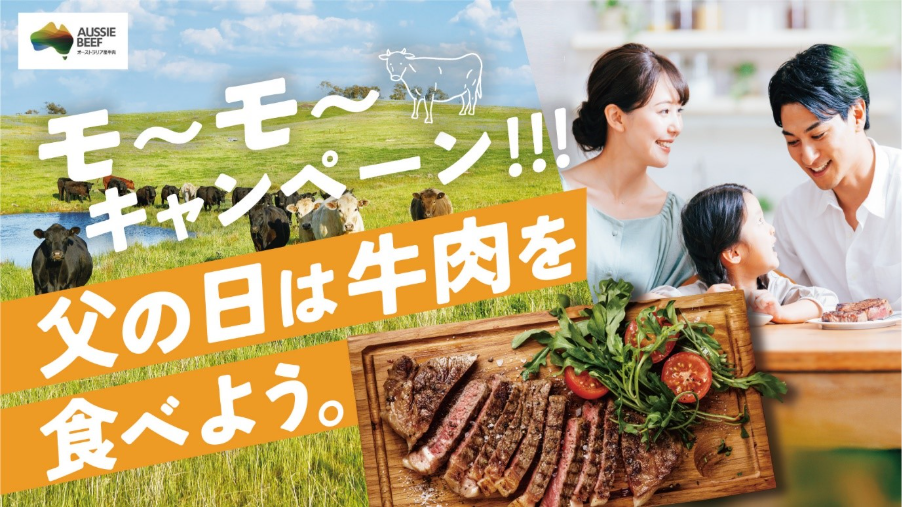
Father’s Day campaign.
In both Korea and Japan, the Aussie Beef and Lamb logos are proving invaluable.
“In Japan, the Aussie Beef brand is by far and away the best known and best recognised imported brand,” Travis said.
“It’s associated with deliciousness, clean and natural production and safety. Retailers increasingly use the logo because it signals trust and quality.”
In Korea, convenience chains like GS25 are embracing Australian beef and lamb, stocking meat fridges filled almost exclusively with Aussie product.
Value through trust
Whether through nutrition education in Korea or cultural occasion-building in Japan, Travis said that the approach is consistent.
“We need to understand what consumers value, then show them how Australian red meat delivers it. With both markets responding strongly, the future looks bright and delicious.”