The WA Sheep Transition Hub compiles resources, information and links associated with the phase-out of live sheep exports by sea. The Hub is designed to support business decisions by providing clear, practical and evidence-based information to help producers navigate the transition and adapt with confidence.
MLA recognises that this change will have significant and lasting impacts on many WA sheep producers, and that no single set of resources, tools or training can remove the challenges involved.
FAQs
Got questions about phasing out live export by sea? MLA has compiled these FAQs to help with the transition.
MLA is backing WA sheep producers by investing in practical research and new business options and by helping grow markets for Australian sheepmeat, so there are profitable alternatives as live exports wind down. See ‘R&D investments’ below for more information.
There’s a range of support available beyond MLA, including government, grower groups and community organisations. There are programs designed specifically for WA sheep producers affected by the phase‑out of live sheep exports, particularly the Federal Government’s Transition assistance package.
For financial assistance, see the ‘Grants and funding opportunities’ section below.
For wellbeing support, find a free Rural Aid counsellor near you.
According to projections from MLA’s Market Insights team, the outlook for the WA sheep and lamb industry is as follows –
Short term: Demand is strong and supply is tight, supporting prices.
Medium term: Demand remains firm, with competition expected for quality sheep and lamb.
Long term: Demand still positive, with growth focused on meat markets rather than live export.
For WA producers, the outlook points to opportunity for those adapting toward meat‑focused, market‑aligned systems, rather than a collapse in demand.
The transition is likely to be gradual and orderly, not a sudden stop. Live sheep exports by sea can continue until 1 May 2028, while government support, grants and infrastructure investment ramp up to help producers and the supply chain adjust.
|
Timeframe |
Phase |
What’s happening |
Producer focus |
|
2025–2026 |
Early transition |
Export volumes trend lower; early supply chain upgrades |
Gradual shift to finishing and processor pathways |
|
2026–2027 |
Scaling alternatives |
Processing capacity adapts; likely fewer export shipments |
Lock in markets, align production to specifications |
|
2027–May 2028 |
Final transition |
Industry operating without live export reliance |
Finalise transition decisions and systems |
|
From 1 May 2028 |
Post phase‑out |
Live sheep exports by sea end by law |
Optimise productivity and value per head |
As live export becomes less central to the WA sheep industry, the focus shifts toward flexible, meat focused production systems that can manage seasonal risk, utilise existing assets and better align with processor demand. There is no single “right” model – the best option depends on rainfall zone, soils, labour, capital and business goals.
Possible options include:
- meat-focused breeding and lamb production
- mixed farming (cropping and sheep) systems
- confinement and/or lot feeding
- combination of all of the above.
MLA, industry groups and the WA and Australian Governments are aligning their messages to producers and sharing information through the same channels wherever possible.
An important part of this communication is the independent Live Sheep Export Transition Advocate, Dr Chris Rodwell, whose role is to act as a go-between for producers and government. The Advocate listens to producers and supply chain businesses, explains what support is available and how the transition is tracking, and feeds real, on the ground concerns back to government. He also helps guide planning for the future of the WA sheep meat and wool industry, including a formal stocktake of progress in 2026–27.
Industry is working together to cut through confusion, keep everyone hearing the same story, and help producers make informed, business led decisions right through to May 2028 and beyond.
RD&A investments
MLA is investing in a range of projects to support innovation and diversification across the WA sheep industry, including:
|
Value chain |
Mixed farming best practice |
Confinement feeding |
Marketing/insights activities supporting the transition
MLA has significantly expanded its Lambassador Program to build influential global advocates for Australian sheepmeat. This includes hosting international buyers, chefs and trade leaders on paddock‑to‑plate tours across WA and eastern Australia to improve understanding of production systems, animal welfare, sustainability and product quality. The program drives trial of new sheepmeat cuts, strengthens buyer confidence, and supports long‑term demand growth for boxed sheepmeat as alternatives to live export.
MLA has significantly expanded its Lambassador Program to build influential global advocates for Australian sheepmeat. This includes hosting international buyers, chefs and trade leaders on paddock‑to‑plate tours across WA and eastern Australia to improve understanding of production systems, animal welfare, sustainability and product quality. The program drives trial of new sheepmeat cuts, strengthens buyer confidence, and supports long‑term demand growth for boxed sheepmeat as alternatives to live export.
Several sheepmeat technical specialists have been deployed into priority markets to deliver hands‑on, practical training on Australian sheep and lamb products. This supports better utilisation of the whole carcase, including secondary cuts, helping markets shift from live animal preferences to boxed sheepmeat solutions and increasing overall demand.
MLA collects global insights to better understand purchasing drivers, cultural preferences and usage barriers in key markets. These insights inform where sheepmeat demand can grow, how products should be positioned, and which cuts or specifications offer opportunities for WA producers as live export volumes reduce.
Grants and funding opportunities
There is financial support available for WA sheep producers facing this transition, including:
Case studies
Producers
Explore real examples of WA producers who are successfully adapting their businesses. These case studies demonstrate adaptation is already happening across WA – and paying off.
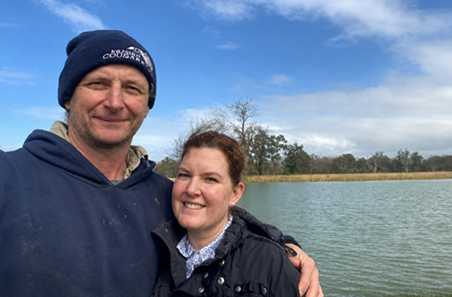
Stubble grazing has always been a focus for WA mixed farmers Ben and Emily Webb – but until recently, it was largely managed by experience and visual assessment. Now, they’re taking a more data-driven approach, using liveweight monitoring to better understand how long stubbles deliver value and when to intervene.
Australian lamb brand owners and importers
Hear from Australian lamb brand owners and importers who highlight how businesses are responding to change, strengthening partnerships with WA producers, and positioning Australian lamb for long-term success in domestic and global markets.
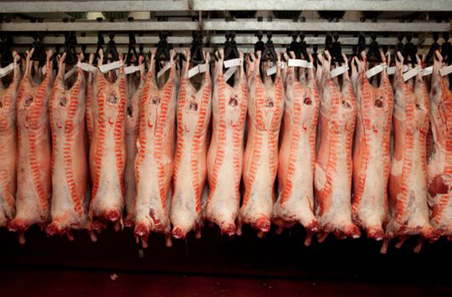
In this Q&A, we speak with a leading UAE importer, Hussam Sarhan – Executive Director at Al Mawashi, about Australian lamb’s value proposition.
Training and workshops
Stay up to date with upcoming opportunities for skills development and knowledge building.
For more events in your area, check out:

BulkUp
MLA’s long-term, peer-supported learning program that brings our proven adoption packages into a single pathway.

Producer Demonstration Site program
PDS gives producers an opportunity to trial new management practices on-farm.
BredWell FedWell
A practical, one-day workshop to help producers develop a genetics and nutrition regime to their property.

Profitable Grazing Systems
A group-based training program which uses supported learning packages to deliver training and coaching over several months and up to a year to improve producer skills and knowledge.

EDGEnetwork
EDGE workshops cover a range of topics including business management, breeding, grazing land management, carbon and nutrition.

The Toolbox
MLA’s free eLearning platform with a huge suite of online courses for producers.
Tools and resources
Check out these practical tools and resources WA producers can use immediately, including:
- Making More from Sheep
- Genetics: Prime lamb and Merinos
- Sheep webinars from MLA’s Productivity & Profitability series
Sheep Producers Australia has also developed an important resource for the WA sheep industry transition: WA Roadmap to 2028 – The Future Flock.